Barschel Files: The Secrets Behind Germany's Unresolved Affair
In the annals of German political history, few events resonate with such enduring mystery and tragic intrigue as the case of Uwe Barschel. Known simply as Die Affäre Barschel, this saga of a rising political star, a solemn vow, a suspected dirty tricks campaign, and a sudden, perplexing death continues to captivate and confound decades later. It's a tale that challenges the integrity of political power, the pursuit of truth, and the dark corners where secrets refuse to die.
On September 18, 1987, Schleswig-Holstein's then-Minister-President Uwe Barschel faced the press, his face visibly strained, his composure faltering. With a desperate plea, he uttered the now-infamous words, "Ich gebe Ihnen mein Ehrenwort" – "I give you my word of honor," vehemently denying accusations of political espionage and smear tactics against his opponent. One month later, Barschel was found dead in a Geneva hotel room. What transpired in that pivotal month, and what secrets truly lie buried within the Barschel Files, remains one of Germany's most profound political enigmas.
The Rise of a Political Star: Uwe Barschel's Ascendant Career
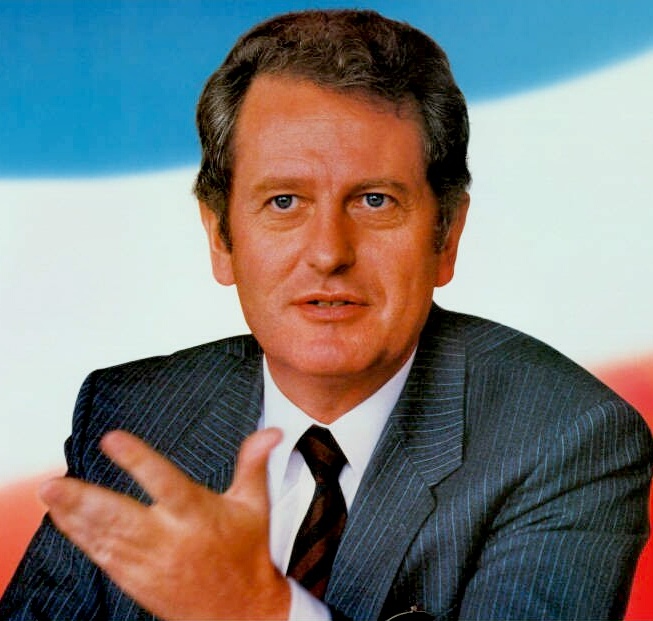
Before the shadow of scandal consumed him, Uwe Barschel was the shining beacon of the Christian Democratic Union (CDU), a man widely believed to be destined for greatness, perhaps even the Chancellery itself. Born in 1944, Barschel belonged to a generation that rebuilt Germany from the ashes of war. He cultivated an image of intellectual rigor and impeccable family values, holding doctorates in both law and political science.
His political trajectory was nothing short of meteoric, a "Blitzkarriere" or lightning career. At just 27, he became a CDU Member of the State Parliament (Landtag) in Schleswig-Holstein. By 34, he was Finance Minister, quickly followed by the Interior Minister portfolio. In 1982, at the youthful age of 38, he ascended to the pinnacle of state power, becoming Minister-President. His leadership delivered an absolute majority for the Schleswig-Holstein CDU in the 1983 state elections, a testament to his charismatic appeal and political prowess. For many, to learn from Barschel was to learn how to win – "Von Barschel lernen heißt Siegen lernen."
Barschel carefully curated his public persona. He married Freya von Bismarck, an aristocrat, and together they had four children. "My hobby is my family," he would declare to cameras, projecting an image of wholesome dedication that resonated deeply with voters. Yet, beneath this polished exterior, whispers hinted at a relentless ambition and a less-than-gentle approach with subordinates, suggesting a man whose drive sometimes overshadowed his discretion. His methods, some observed, were not always "zimperlich" (squeamish or delicate).
The Shadow Falls: Unraveling the Scandal
The first cracks in Barschel's meticulously crafted image began to appear in 1986, when the CDU suffered significant losses in the municipal elections. The upcoming 1987 state elections loomed large, and with the charismatic Björn Engholm leading the Social Democratic Party (SPD), Barschel faced a formidable challenge. His nervousness grew palpable.
It was in this tense atmosphere that the scandal, which would become central to Die Affäre Barschel, erupted. Accusations surfaced that Barschel had orchestrated a smear campaign against Engholm, employing a media consultant to leak false information and spy on his political rival. The goal was simple: to discredit Engholm and secure an electoral victory for the CDU.
The climax of this unfolding drama was the aforementioned press conference on September 18, 1987. Barschel's agitated state, his visible struggle to maintain composure, and his desperate appeal to his "word of honor" painted a picture of a man cornered. He vehemently denied all allegations, presenting himself as the victim of a malicious intrigue, and tried one last time to salvage his reputation and regain the trust of the citizens of Schleswig-Holstein. For a deeper dive into this pivotal moment, you can explore From Solemn Vow to Tragic Death: The Barschel Scandal of 1987.
Despite his defiant denials, the political pressure proved insurmountable. Within weeks, Barschel resigned from his post, his career in tatters, his honor questioned, and his public image irrevocably shattered. The political earthquake shook Germany to its core.
A Tragic End and Enduring Questions
Just one month after his passionate "Ehrenwort," Uwe Barschel's life ended in a hotel room in Geneva. The official investigative conclusion stated suicide, citing a lethal cocktail of drugs. However, the circumstances of his death were, and remain, fiercely debated. The abruptness of his demise, coupled with the intensity of the political scandal, immediately fueled speculation of foul play, conspiracy, and cover-ups. Was it suicide, as the authorities maintained, or was Barschel silenced to protect deeper secrets?
The controversy surrounding his death is intrinsically linked to the ongoing secrecy surrounding the "Barschel-Akten" – the files pertaining to the affair, many of which remain classified. Journalists and the public have repeatedly sought access to these documents, particularly those held by the BND (Germany's foreign intelligence agency). However, the European Court of Human Rights (EGMR) has upheld the classification of these files, citing national security concerns. This decision, while legally sound, only serves to perpetuate the mystery, fueling theories and ensuring that Die Affäre Barschel remains a potent symbol of unresolved questions in German politics.
Lessons from Die Affäre Barschel for Modern Politics
While a historical event, Die Affäre Barschel offers invaluable lessons for contemporary political discourse and governance:
- The Peril of Secrecy: The classification of the Barschel Files, even decades later, continues to undermine public trust and invites endless speculation. It highlights how a lack of transparency, especially in high-profile cases, can create enduring shadows of doubt.
- Integrity as the Ultimate Currency: Barschel's fall from grace underscores that perceived integrity is paramount in politics. Once compromised, even the most vehement denials and "words of honor" are insufficient to regain public confidence.
- The Backlash of Dirty Politics: The alleged smear campaign against Engholm illustrates the catastrophic risks associated with unethical political tactics. While tempting in the heat of an election, such actions can destroy not only careers but also lives.
- Media's Role in Accountability: The affair demonstrated the power of the press in uncovering misconduct and holding politicians accountable, even as it grappled with the sensationalism of the unfolding tragedy.
- The Enduring Power of a Good Story: The human elements – ambition, betrayal, tragedy, and mystery – ensure that this story remains compelling, reminding us that politics is often a deeply personal and dramatic affair.
The Enduring Legacy of the Barschel Affair
Die Affäre Barschel has etched itself into the collective memory of Germany as its most famous, and perhaps most disturbing, political scandal. It's a complex tapestry woven with threads of ambition, power, betrayal, and an unresolved death that continues to haunt the nation's conscience. The official verdict of suicide clashes with persistent questions about a wider conspiracy, and the classified "Barschel-Akten" only deepen the enigma.
This enduring fascination is precisely why the affair remains a subject of documentaries, books, and public debate. It serves as a stark reminder of the potential for darkness within the pursuit of power and the lasting impact when critical questions remain unanswered. The blend of a compelling personal story, high-stakes political maneuvering, and an unexplained death ensures that Die Affäre Barschel transcends mere history, becoming an enduring German political mystery. For a broader overview of this fascinating subject, delve into The Barschel Affair: Germany's Enduring Political Mystery.
Ultimately, the case of Uwe Barschel is more than just a historical event; it's a cautionary tale about the fragility of reputation, the corrosive nature of unchecked ambition, and the profound impact of secrets on a nation's psyche. As long as the "Barschel-Akten" remain sealed, and the circumstances surrounding his death are debated, Die Affäre Barschel will continue to be Germany's unresolved affair, a powerful testament to the elusive nature of truth in the corridors of power.